Pottery Series
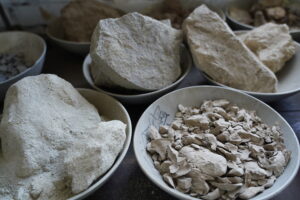
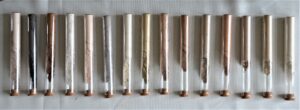
In order to restore the ancient techniques of Ankou Kiln, we have conducted a large number of experiments over the past few years. Moreover, during the experimental process, we have also carried out extensive firing experiments on the local clay materials and glazes around the AnKouYao.
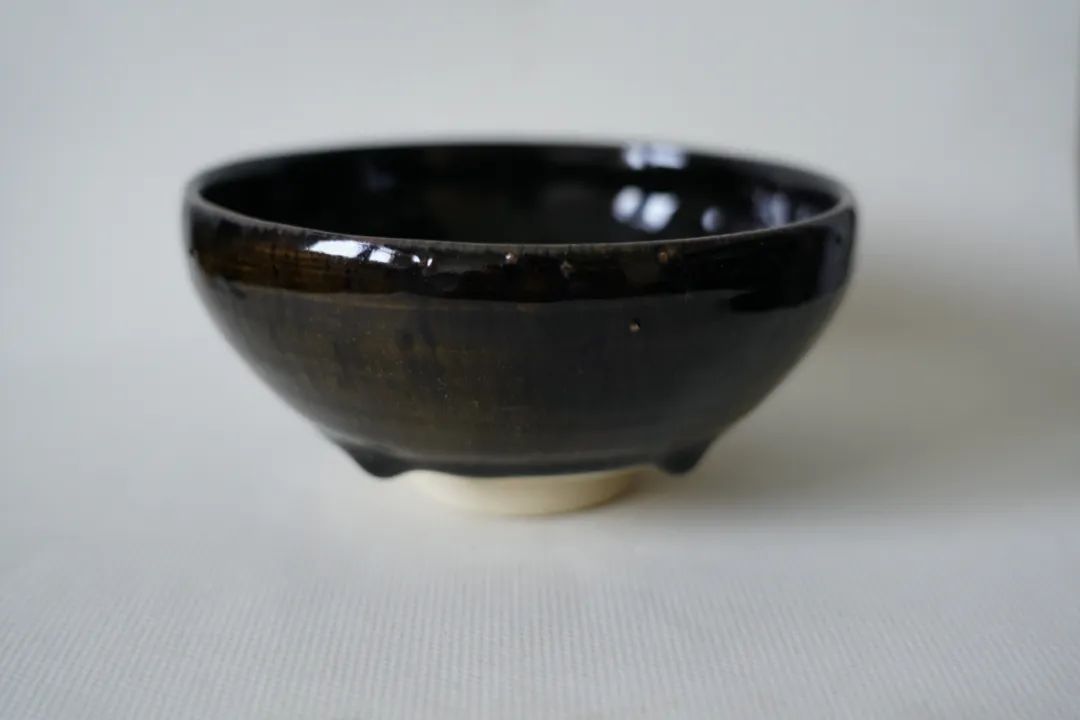
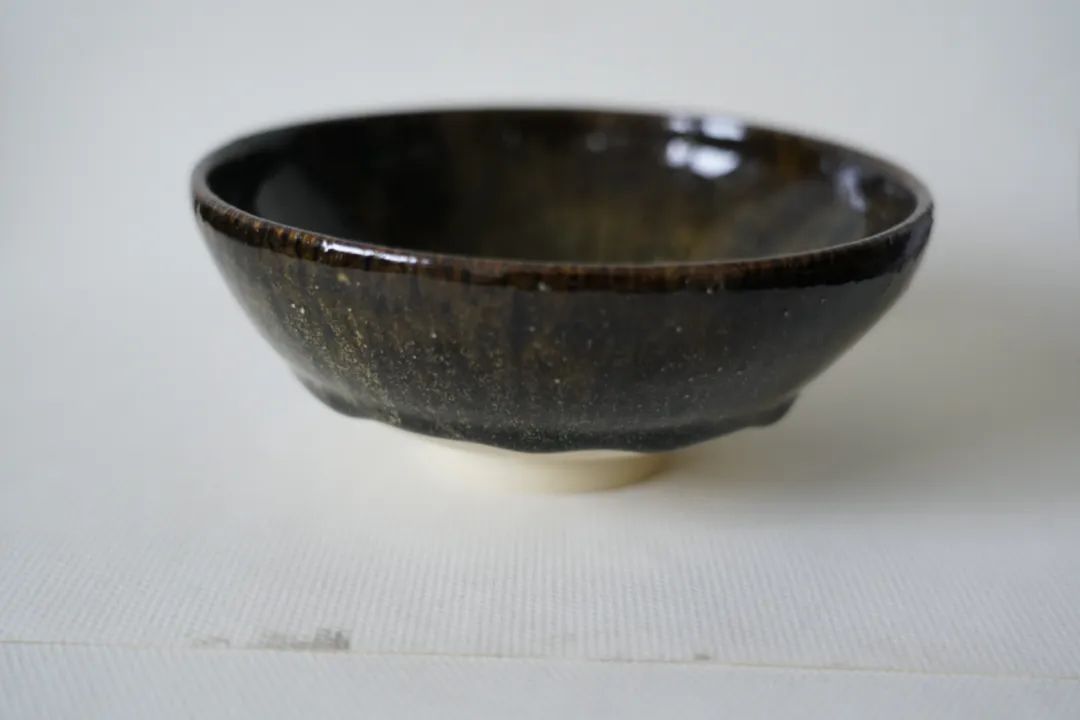
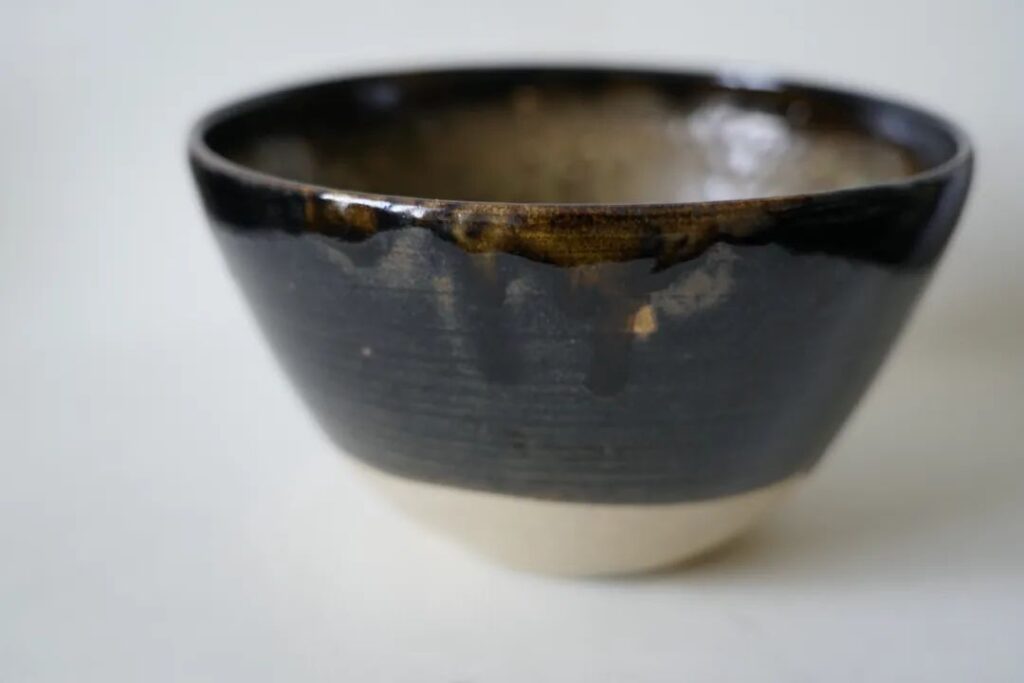
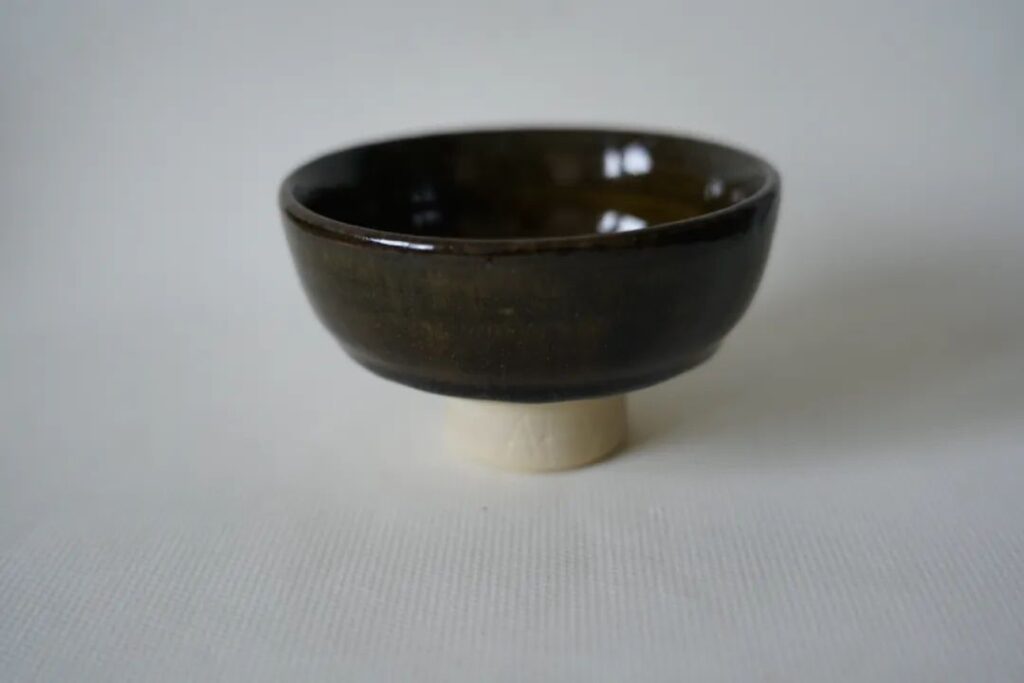
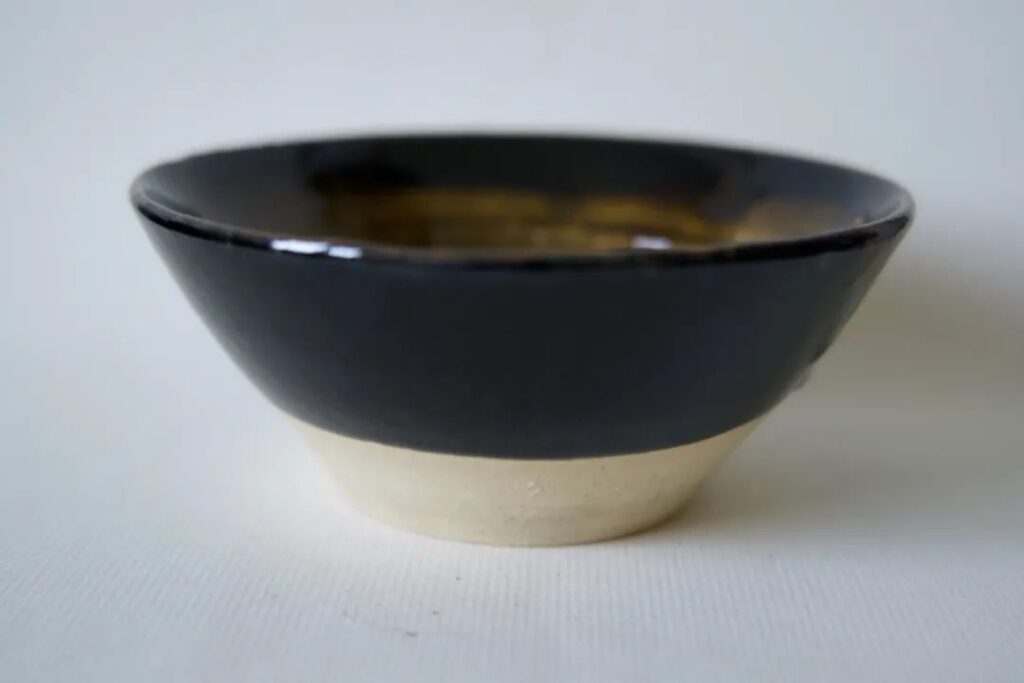
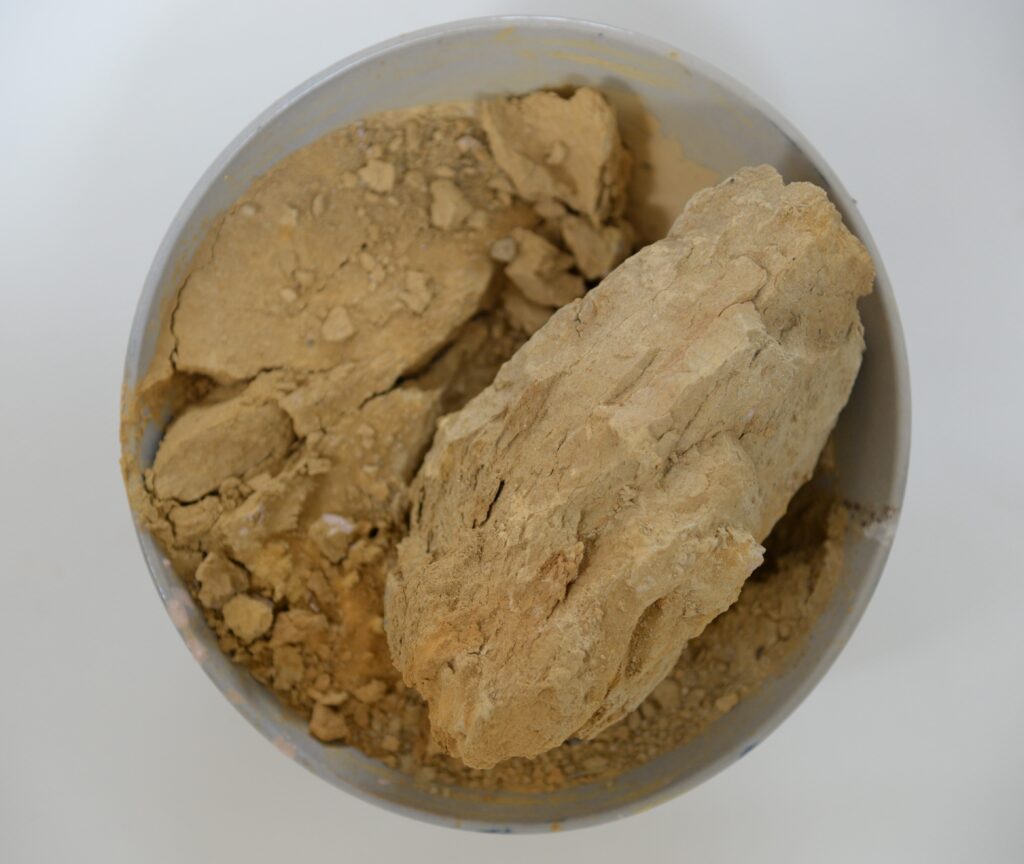
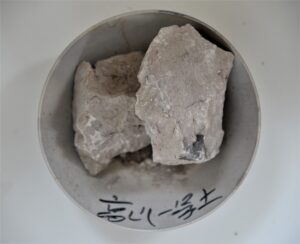
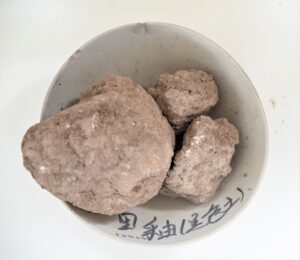
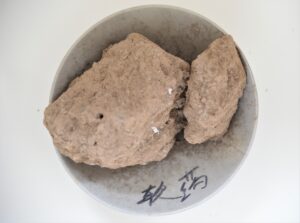
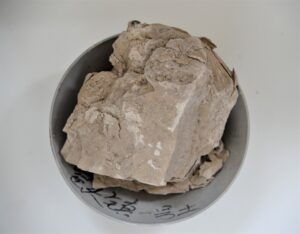
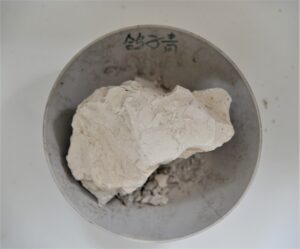
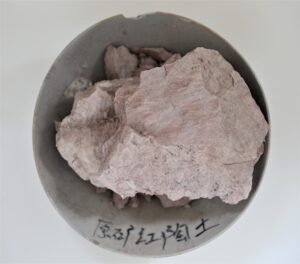
The altitude and different landforms where the earthen glaze is located vary greatly. The color of the soil, honeycomb-shaped pores, white dot-like substances and other features are all indicators to distinguish the earthen glaze of Ankou Kiln from that of adjacent and different soil layers.
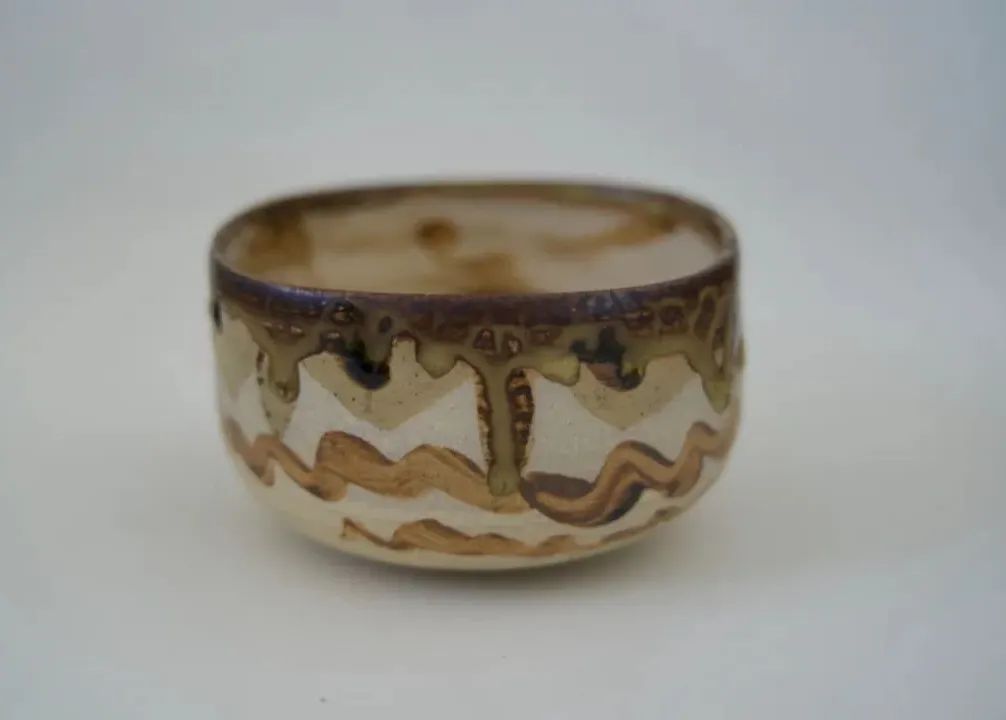
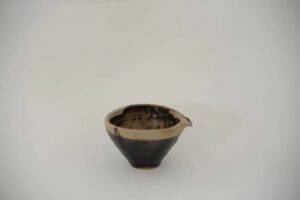
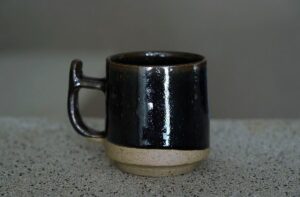
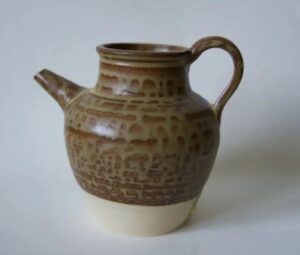
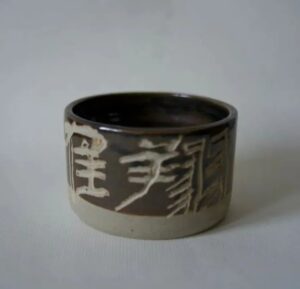
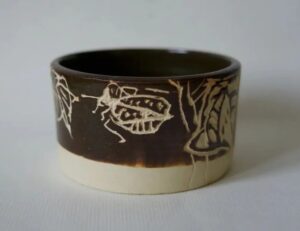
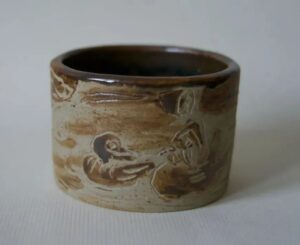
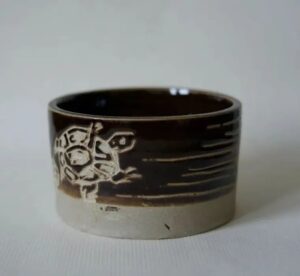
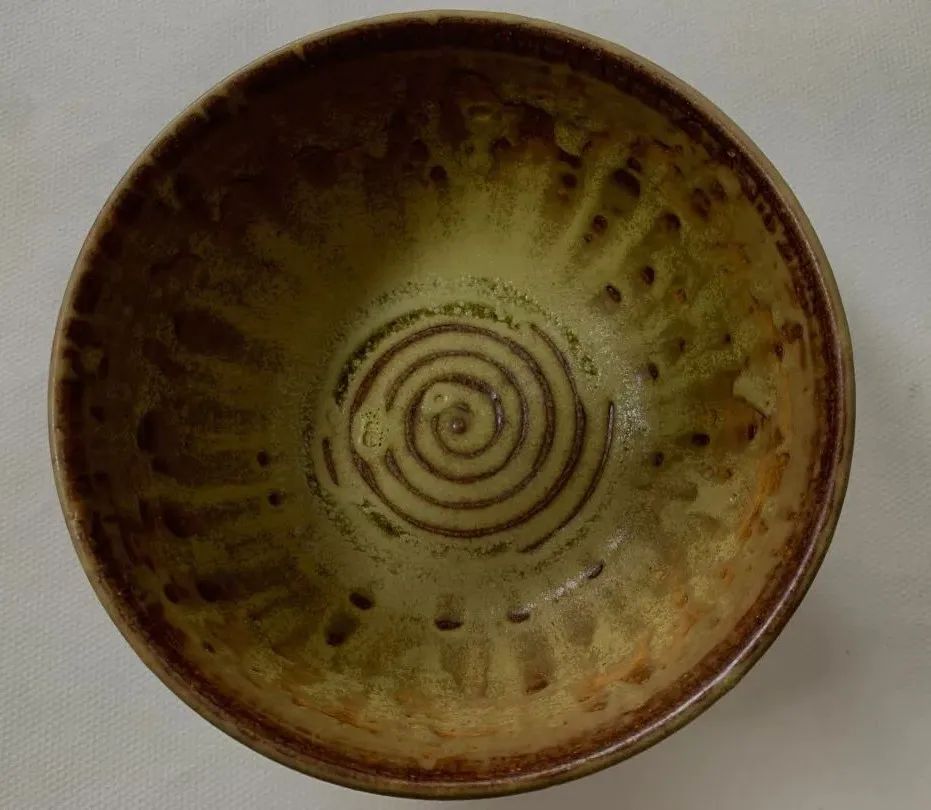
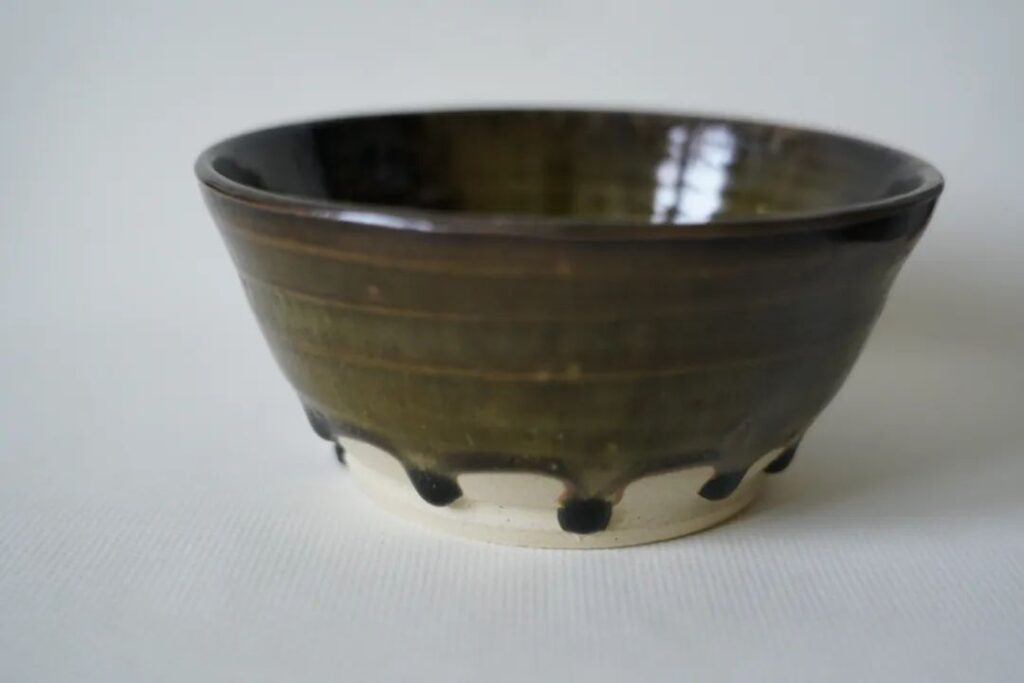
The black and soft glazes of Ankou Kiln, although made from local clay-based pigments, have very different appearances and characteristics from the yellow soil. Despite their similar shapes and appearances, these well-known clay substances were determined as glaze materials through continuous sieving and selection by artisans over thousands of years. They are stable in performance, easy to obtain, and easy to manipulate. Their unique brightness and color are the characteristics of the local glazes. These ancient experiences represent collective wisdom and are the result of repeated experiments by them. We merely continued to adopt the ancient experience, but even so, it took us a great deal of time and effort to clarify and understand these seemingly common and simple clay substances. The old artisans of Ankou Kiln called the clay glazes “medicine”, and those that were fired to a black color were called “black medicine”; those that were fired to a dark purple color were called “soft medicine”. I asked the old artisans why they called the clay glazes “medicine”? He said these glazes were as precious as medicine and should be used with caution.
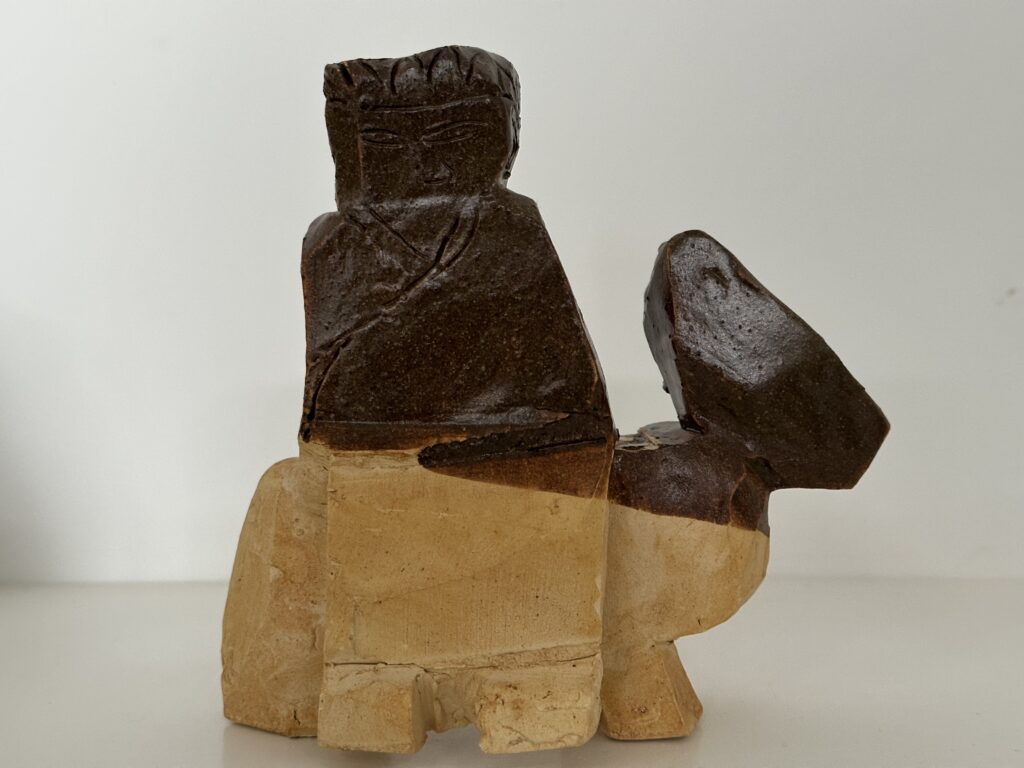
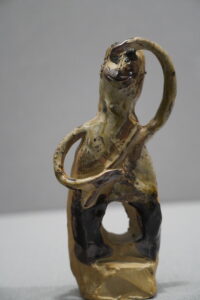
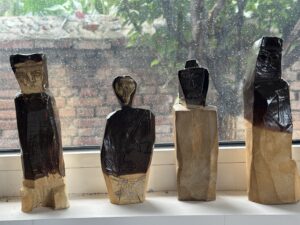
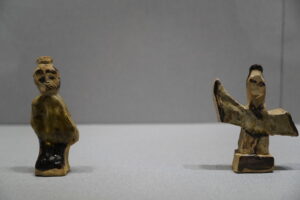
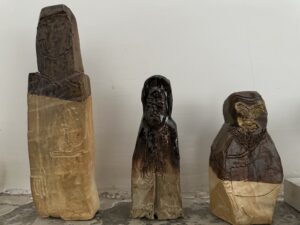
Deng Zhangjian’s “Kao Sheng Que Yun” states: “Ceramics belong to the category of pottery. By adding a medicinal coating and enhancing the color, they become more lustrous.” “The medicinal coating” refers to the glaze that adheres to the surface of the porcelain after being burned. “Glaze” is also written as “oil” to indicate its oily luster; it is also called “shiyou” or “shiyao” to represent its use of stone materials as raw materials; or it is called “yugao” to indicate that its formula is as complex and profound as that of preparing traditional Chinese medicine. The “Ji Yun” of the Song Dynasty records: “Ceramics are pottery that has been made into a hard form.” In the “Tian Gong Kai Wu” by Ming Dynasty’s Song Yingxing, it is stated: “Ceramics are refined pottery with a natural and jade-like appearance.” These records include descriptions of the glaze from different eras as well as metaphors for the body of the porcelain.
glazes Series