AnkouYao is both the name of a place and a thousand-year-old folk kiln in the northwest region of China.
In the middle section of the eastern route of the Silk Road, adjacent to the Longguan Road, there is a small town. It is rich in coal and ceramics. The northwest is desolate and barren, with the endless yellow loess plateau covering the entire world like a yellow ocean. But Ankou Kiln is an exception. It is close to Longshan Mountain, and the blessings of Longshan Mountain nourish this place like eternal grace. In winter, frost and snow cover it, and in autumn, red leaves dance in the sky. In spring and summer, grass grows and orioles fly.
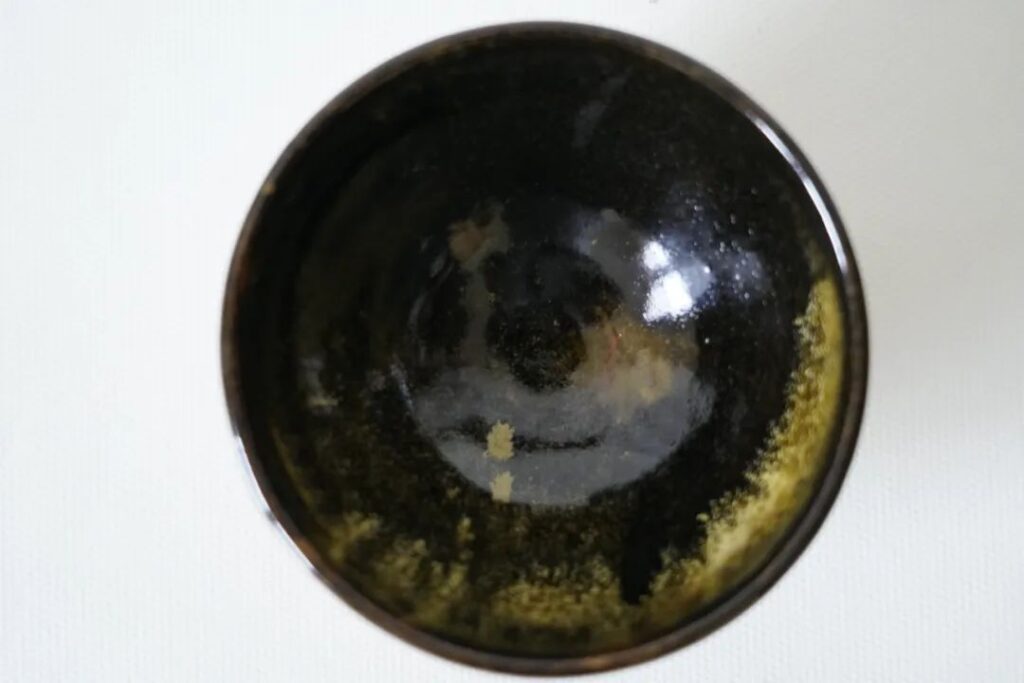
Ankouyao is surrounded by mountains on all sides, with lush trees. The Nan Chuan River flows from west to east and joins the Rui River at Xiaozhuang Bridge. The Rui River is a major tributary of the Jing River. Ankou Kiln is located on the river valley plain of the Nan Chuan River. According to the elders, Ankou Town is like a golden fish lying across the mountains.
Ankouyao is located in the southeast of Huating, bordering Chongxin to the east, Longxian to the south, Huating to the west and Pingliang to the north. The mountains here are high and steep. In the crevices of the rocky mountains and yellow soil, not only are various trees and flowers growing, but also various minerals are hidden beneath these beautiful and charming landscapes. The “General Annals of the Ming Dynasty” and “Local Products” record that black porcelain was unearthed in Pingliang and Huating counties. Song Yingxing’s “Tiangong Kaiwu” states: “White soil is called kaolin, which is used to make exquisite pottery. There are only five or six places in China that produce it. In the north, there are Zhenzhou in Zhengding, Huating in Pingliang, and Yuzhou in Kaifeng. In the south, there are Dehua in Quanzhou and Wuyuan and Qimen in Huizhou.” In the Ming Dynasty, Ankou Kiln was called Longshang Kiln and became famous for its production of ceramics. In the Tang Dynasty, it was called Hongshan Town because there was a huge red mountain cliff to the north. It was not until the late Qing Dynasty and the Republic of China that it was called Ankou Kiln. The origin of the name Ankou is now difficult to verify. The earliest document we can see now is “Qiong Rui Ji” by Wang Ning, a student of Jingzhou School in the Ming Dynasty. It states: “(Rui River) flows eastward for five li to Ankou Xian and Niuxin Mountain. To the south, it receives water from Wucun. The Rui River becomes wider here.” Niuxin Mountain is located east of Ankou Xiaozhuang Bridge, and Wucun Water is today’s Nanchuan River. The name Wucunpu is still in use today. These place names and waterways are basically the same as those recorded in the Ming Dynasty. In 1990, villagers from Xiejiatemple in Wucunpu, Ankou, discovered a hidden cache of Buddhist stone carvings from the Northern Dynasties while rectifying farmland. A total of 24 relatively complete statues were unearthed. In 1994, another four statues were unearthed at the same site, making a total of 28. Seven of them have inscriptions of the donors. One of them is a stone pagoda statue from the second year of Mingdi of the Northern Zhou Dynasty (558 AD), which is divided into three levels. The inscription reads:
“On the 17th day of the sixth month of the year of the Metal Tiger, the second year, the devout Buddhist disciple Lu Weifu, the chief of the Longgong Office, and the people of Anjia Kou respectfully made this stone statue. May all beings in the three realms be liberated from suffering. May all sentient beings be reborn in the three assemblies of the Buddha and attain Buddhahood. May all wishes come true. The Buddhist disciple Lu of Anjia Kou and all the people of the temple made this offering.”
The inscription indicates that the donors were the Lu family from Anjia Kou.
This account seems to be intricately linked to Ankou, but due to the long passage of time and the change of dynasties, no one can say for sure.
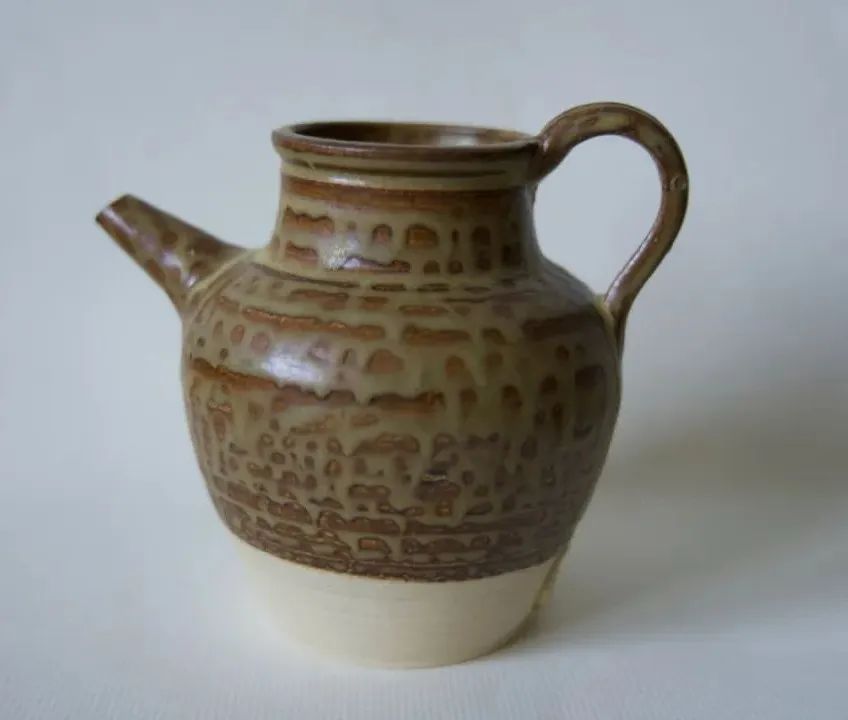
In the second year of the reign of Emperor Ping (2 AD), Anmin County was established in the area of present-day Huating. It was abolished when the three commanderies were relocated during the Eastern Han Dynasty. Tan Qixiang’s “Research on the Administrative Divisions of the Xinmang Dynasty” holds that the original 21 counties of the An Ding Commandery in the Western Han Dynasty were increased by one, which was established by transforming the Hu Chi Garden into Anmin County. Fan Wenlan also believed that the Anmin County set up by the Western Han Dynasty after the abolition of the Hu Chi Garden was located in present-day Huating County.
Some scholars believe that Ankou is the evolution of Anmin County. Currently, there are various opinions on this matter. However, the common belief among the people is that no matter where people come from, they can support their families and settle down in Ankou, which is why it is called Ankou.